
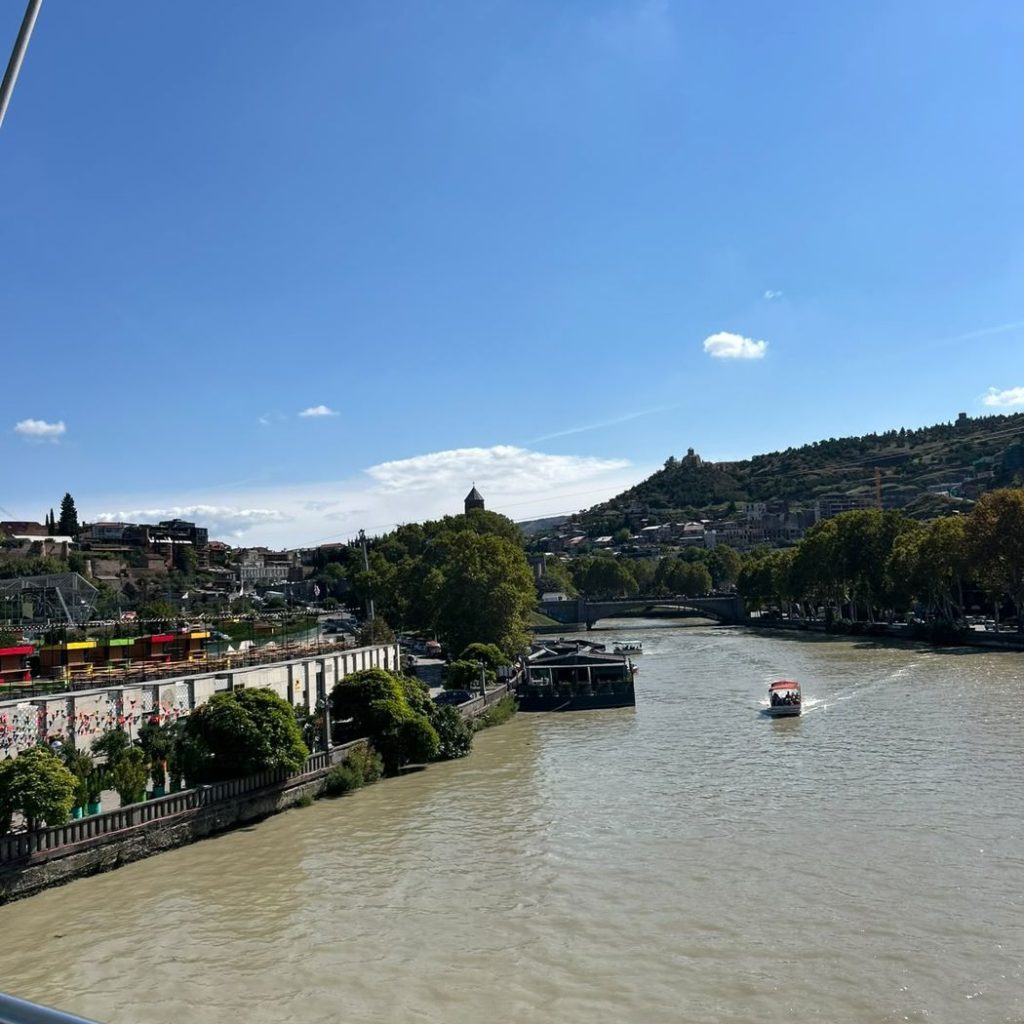
Tbilisi is my warm city – literally. In Georgian, tbili means “warm”, and the city got its name from the hot sulphur springs that still flow under the Old Town. There are many legends about how Tbilisi was founded, and you will easily find them online. In this guide I want to give you something different: the practical tips I share with my own guests, from getting around and changing money to where to stay, what to see and where to eat.
Getting Around Tbilisi
Take the Metro – Clean, Fast and Cheap
Tbilisi has an underground metro, and it is one of the easiest ways to move around the city. Our metro is clean, comfortable and fast, and it takes you almost everywhere you need to go. At rush hour it gets crowded – nothing like China, of course, but for us locals even that feels busy. For visitors it is a really good experience.
Before your first ride, buy a transport card at the metro station cashier and top it up. A ride costs about 1 GEL.
Taxis: Bolt or Yandex?
Don’t take random taxis on the street – use an app. In Tbilisi you have two main options:
- Yandex Go – usually a bit cheaper, but the cars are often not very clean and the drivers are less controlled.
- Bolt – slightly more expensive, but the cars are cleaner and the drivers are more polite and professional. This is the one I recommend.
Changing Money in Tbilisi
Try not to exchange money in the central, touristy areas – the rates there are usually worse. Walk a few streets away from the Old Town and the main tourist streets and you will often get a noticeably better rate. Cards are accepted almost everywhere in the city, but keep some cash in lari for markets, small cafés and trips to the regions.
Where to Stay in Tbilisi
If you can, book your hotel in Old Tbilisi – Abanotubani, Sololaki or Avlabari. Otherwise you will end up paying for taxis to the centre every day anyway, so staying central is simply the smarter choice. You will be within walking distance of the sulphur baths, Narikala Fortress, restaurants and the most beautiful streets.
Driving? Check the parking before you book. Parking in central Tbilisi is a real problem, so choose a hotel that has its own parking or a safe place nearby.
Must-See Places in Tbilisi
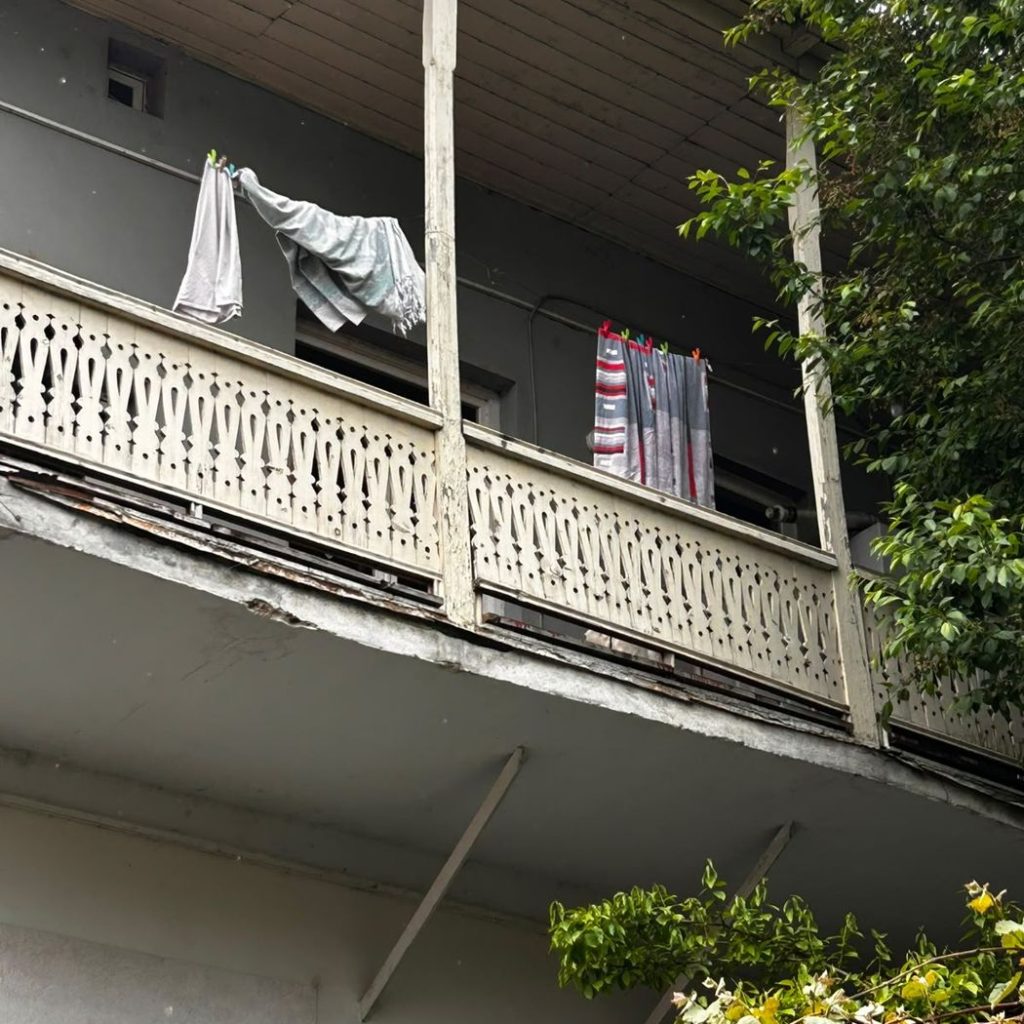
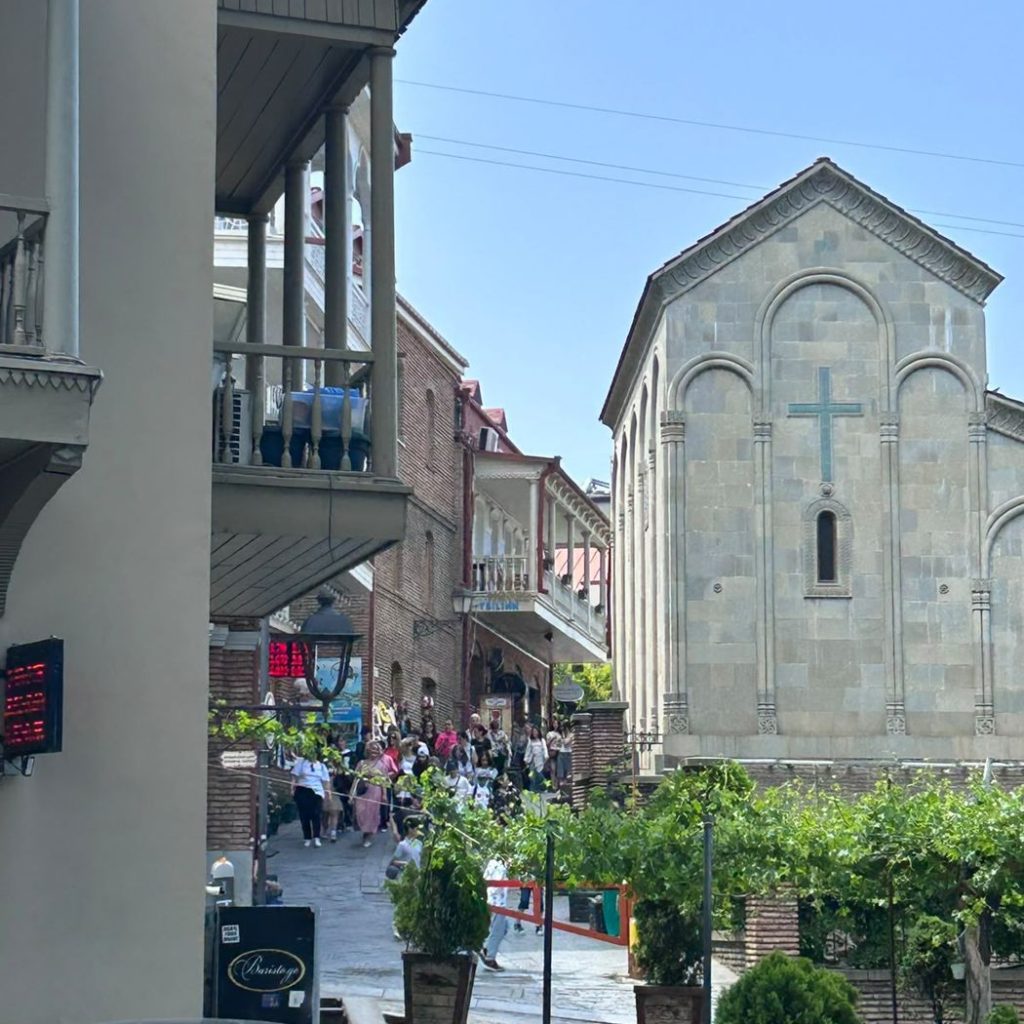
- Old Tbilisi – narrow streets, carved wooden balconies and hidden courtyards.
- Kote Abkhazi Street (locals still call it Leselidze) – the historic street linking Freedom Square with the Old Town.
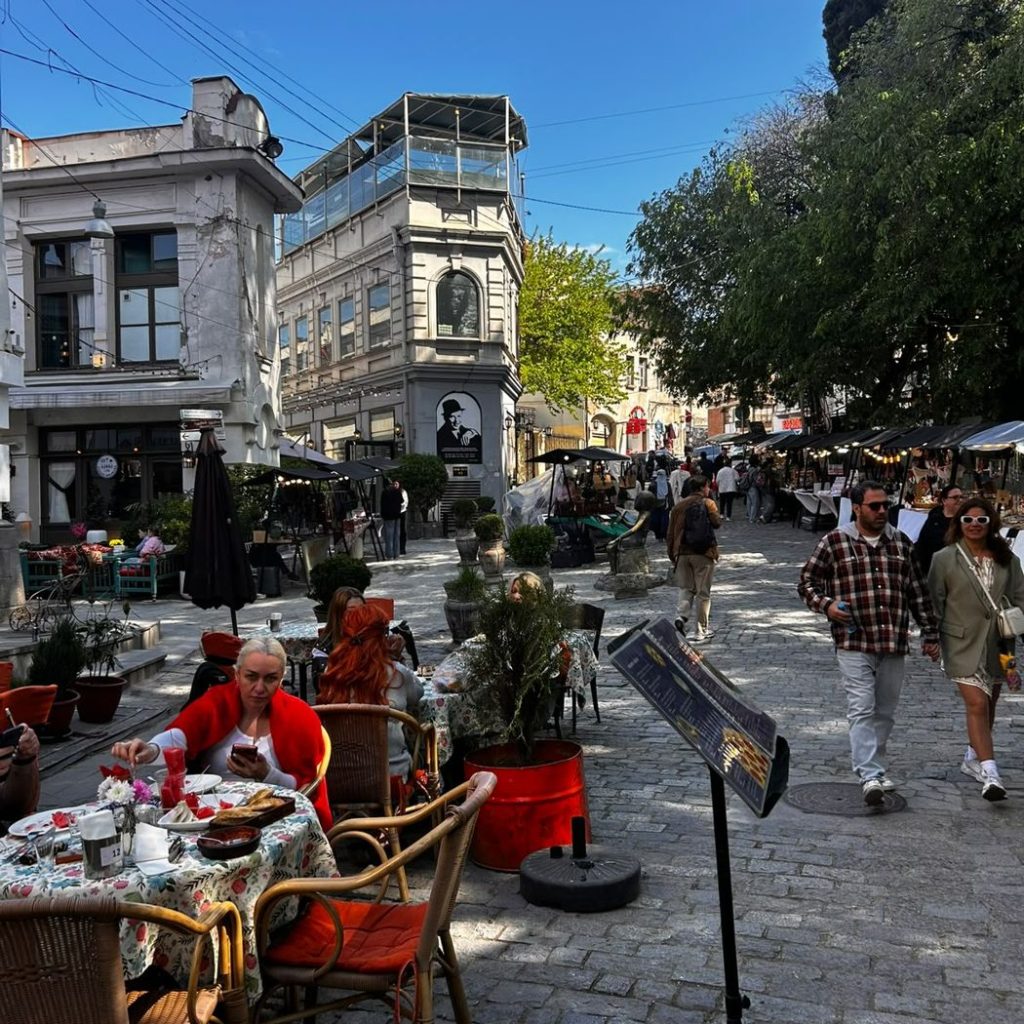
- Shardeni Street – the lively pedestrian area full of cafés, galleries and bars.
- Meidan Bazaar – the underground market right under Meidan Square, good for souvenirs, spices and churchkhela.
- Abanotubani – the famous sulphur bath district under the brick domes. Some baths offer scrubs and massages; going in the evening is a real treat.
- Narikala Fortress – take the cable car from Rike Park for the classic view over the Old Town.
- Mtatsminda Park and Mother of Georgia (Kartlis Deda) – more panoramic views over the whole city.
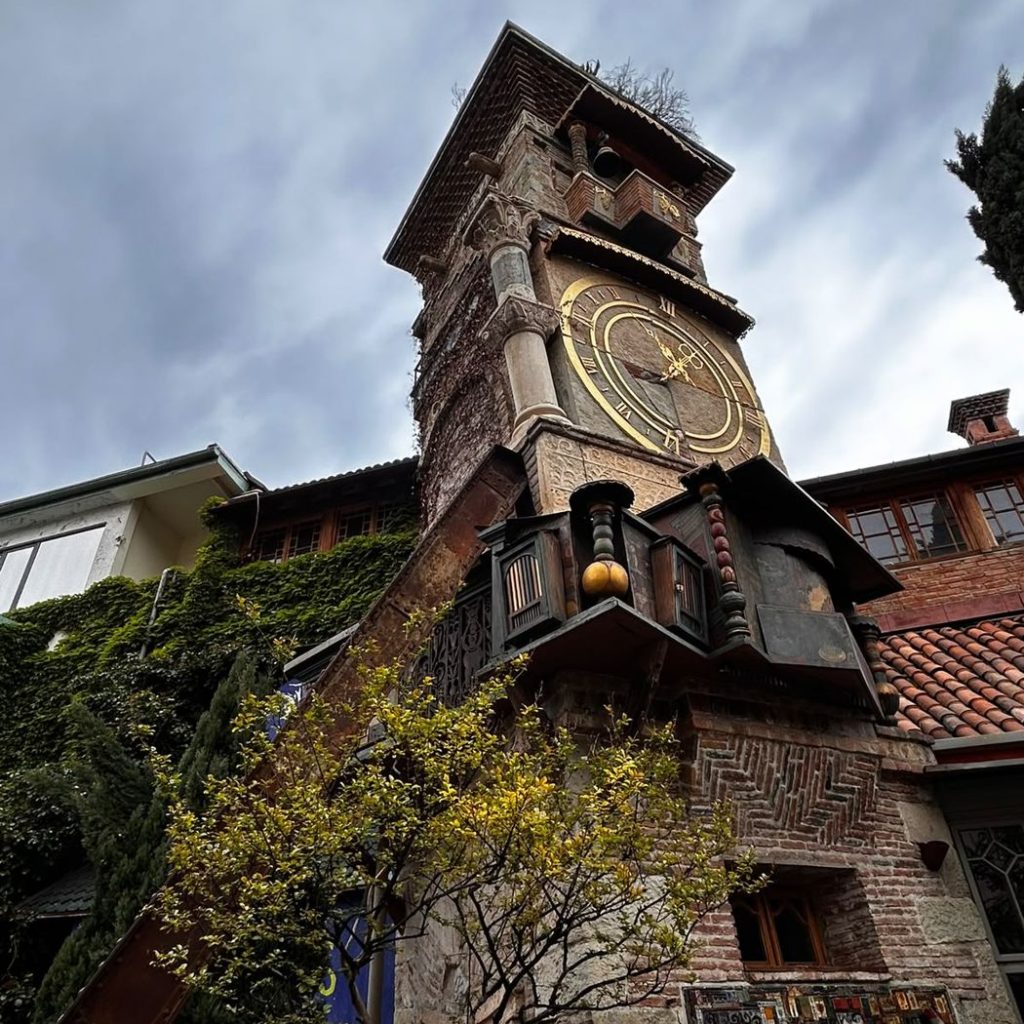

My tip: in Abanotubani there is a small café called Leghvi (it means “fig” in Georgian). It has a lovely atmosphere and is a perfect place to sit down and rest after walking around the Old Town.
Short on time? Follow our 1- and 2-day Tbilisi itinerary – the exact route we use with our guests.
Want to see it all with a local guide? Join our Tbilisi city tour.
Where to Eat in Tbilisi
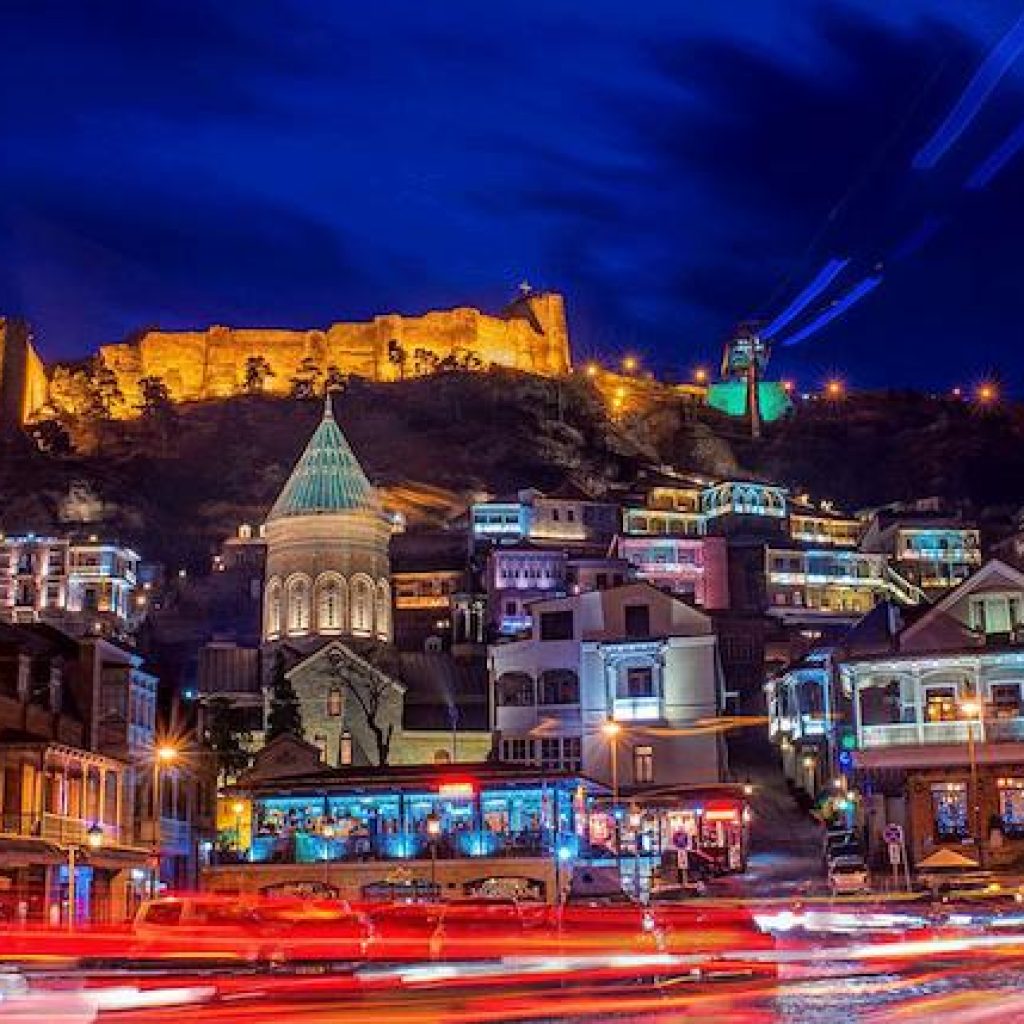
For the Best Night View: Tiflis Palace Rooftop
In the evening, go up to the rooftop restaurant of the Tiflis Palace hotel. At night it has one of the most beautiful views of Tbilisi. But I recommend it only for the view: the menu is mostly European, so you won’t find authentic Georgian food there.
For Real Georgian Food
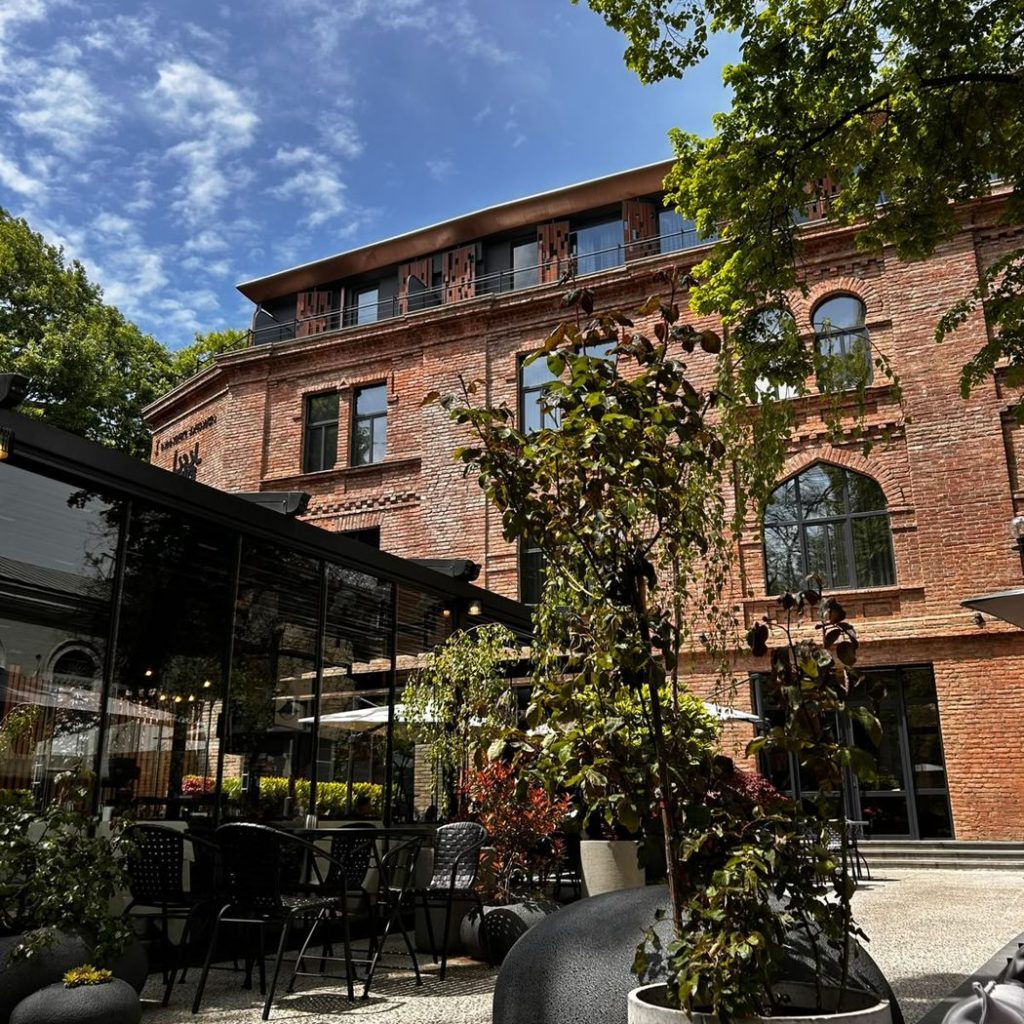
If you want to taste Georgian dishes, these are my picks:
- Maspindzelo – classic Georgian restaurant.
- Machakhela – a popular local chain with branches around the city.
- Pasanauri – great for khinkali.
Must-try dishes: khinkali, khachapuri, mtsvadi (Georgian barbecue), lobio, pkhali and badrijani with walnut paste.
More Local Tips for Tbilisi
- Wear comfortable shoes. Tbilisi is built on hills, and the Old Town is full of slopes, stairs and cobblestones.
- Dress modestly in churches. Women should cover their hair and shoulders; men should wear long trousers. Scarves are often available at the entrance.
- Enjoy the nightlife. Tbilisi is lively and generally safe after dark, but as in any big city, watch your belongings.
- Plan day trips. Tbilisi is the perfect base for Kakheti wine tours and trips to Kazbegi.
Tbilisi Travel FAQ
What does Tbilisi mean?
Tbilisi comes from the Georgian word tbili, meaning “warm”, after the natural hot sulphur springs in the Old Town.
Is Bolt or Yandex better in Tbilisi?
Yandex is usually a little cheaper, but Bolt has cleaner cars and more professional drivers, so we recommend Bolt.
Where is the best area to stay in Tbilisi?
Old Tbilisi – Abanotubani, Sololaki or Avlabari – so you can walk to the main sights. If you are driving, check parking first.
Where should I exchange money in Tbilisi?
Away from the central tourist streets, where exchange rates are usually better.
Explore Tbilisi and Georgia With Us
Start your trip in Tbilisi, then let us take you to Kakheti, Kazbegi, Borjomi and beyond. Message us on WhatsApp or book our Tbilisi city tour – we will plan your days around what you love.



Comment (0)